Win vs yogamenolaksadar (556)
| Opening: Pirc Defence | Result: 0-1 (Checkmate) | Time Control: 3 min + 2 sec increment (Blitz) | Rated |
Game Overview
Finally a win with Black, this one playing the Pirc Defence. White makes a calculation error in a series of trades from move 14, leaving me up a piece. From there I trade down, promote a pawn, and finish with a ladder checkmate on move 55. A long and enjoyable game with zero blunders.
Setup and the Bishop Trade (Moves 1-10)
1. e4 d6 2. Nf3 Nf6 3. Nc3 g6 4. Bc4 Bg7 5. d3 O-O 6. O-O h6 7. a3 Kh7
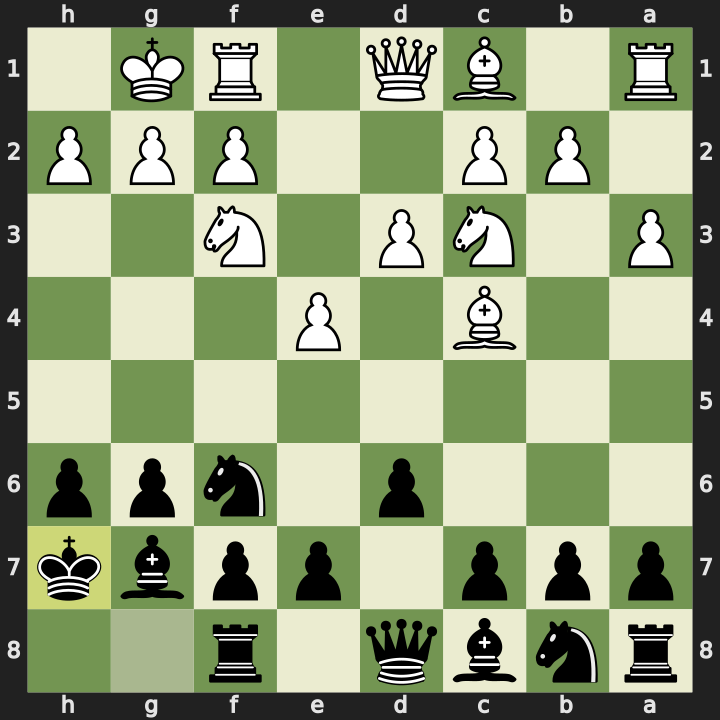
I push h6 and tuck my king in to h7. That gets it out of the way of White’s bishop on the a2-g8 diagonal.
8. h3 e5 9. Bg5
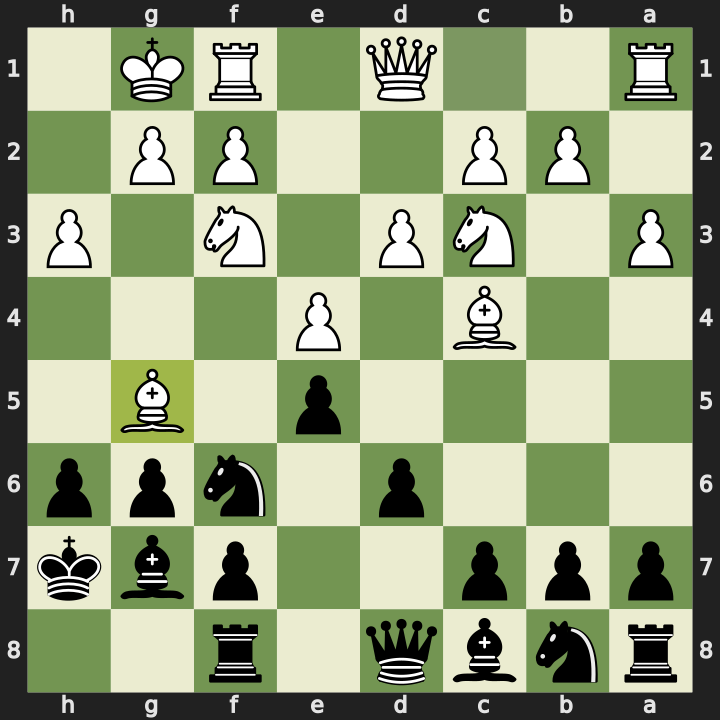
White brings in the other bishop to g5, pinning my knight to my queen. I’m not too concerned about this yet because that knight is also defended by my dark-squared bishop.
9…Be6 10. Bxe6 fxe6
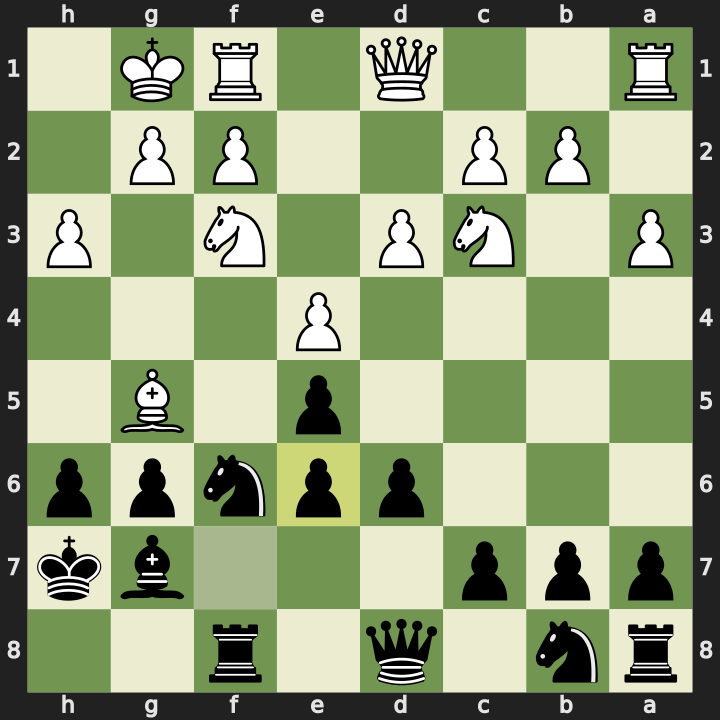
White makes an interesting choice, trading light-squared bishops on e6. This allows me to clear the f-file for my rook, which I’m happy to do especially since my king’s tucked away on h7.
White’s Blunder and the Trades (Moves 11-18)
11. Bh4 Nc6 12. Re1 Nd4 13. Bg3 Nh5 14. Bh4
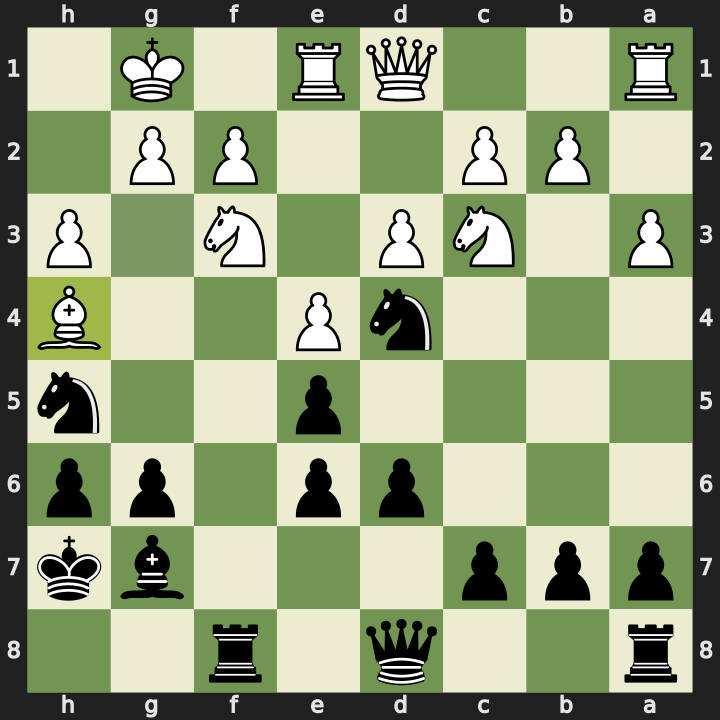
Now from move 14 there’s some interesting trades that happen and I think White makes a calculation error leaving me up a piece after all the trades.
14…g5 15. Nxg5+ hxg5 16. Qxh5+ Bh6 17. Bxg5 Qxg5 18. Qxg5 Bxg5
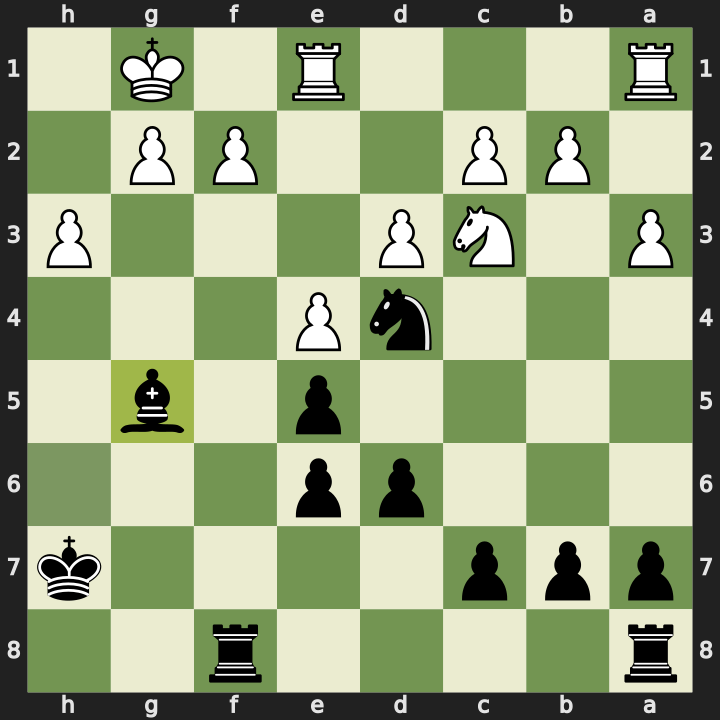
After move 18, White has sacrificed a piece. Perhaps it was part of a plan to expose my king, but I’m actually not worried now. I have nice open lines where I can attack White’s king, the centre is all fairly locked up, and I’m up a piece. Let the attacking begin.
Trading Down (Moves 19-28)
19. Re3 Bh4 20. Kh2 Rg8 21. g3 Bg5 22. f4 Bh6 23. Rf3 Raf8 24. Raf1 Nxf3+
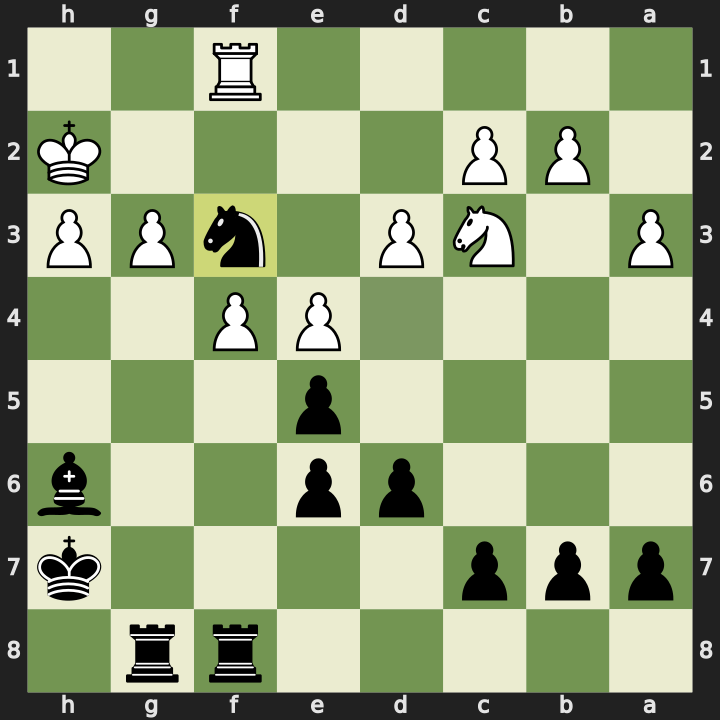
I think I wasted a few moves allowing White to push the kingside pawns to kick my bishop away. There was probably a better way to deal with that. On move 23 I miss a free rook. It was just sitting there. I could’ve taken it with check and then moved my knight away after the king moved. I still picked it up next move, but a free rook is better than an exchange.
25. Rxf3 exf4 26. gxf4 Bxf4+ 27. Kh1 Rg3 28. Rxg3 Bxg3
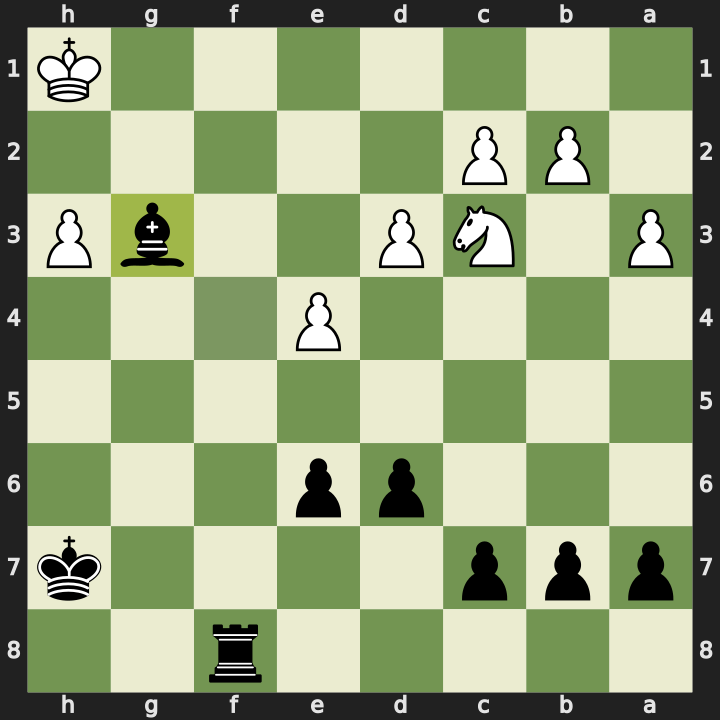
After a few more moves I trade a rook with White, leaving me up a rook with White just having one extra pawn on the h-file. I’m pretty confident that I can mop up White’s pawns, get a promotion, and get the win.
The Promotion (Moves 29-43)
29. Ne2 Bh4 30. c4 Rf2 31. Nd4 e5 32. Ne6 Rxb2 33. Nxc7 Ra2 34. Nb5 Rd2 35. Nxd6 Rxd3 36. Nxb7 Rxa3 37. Nd6 a5 38. Nf5 Rxh3+
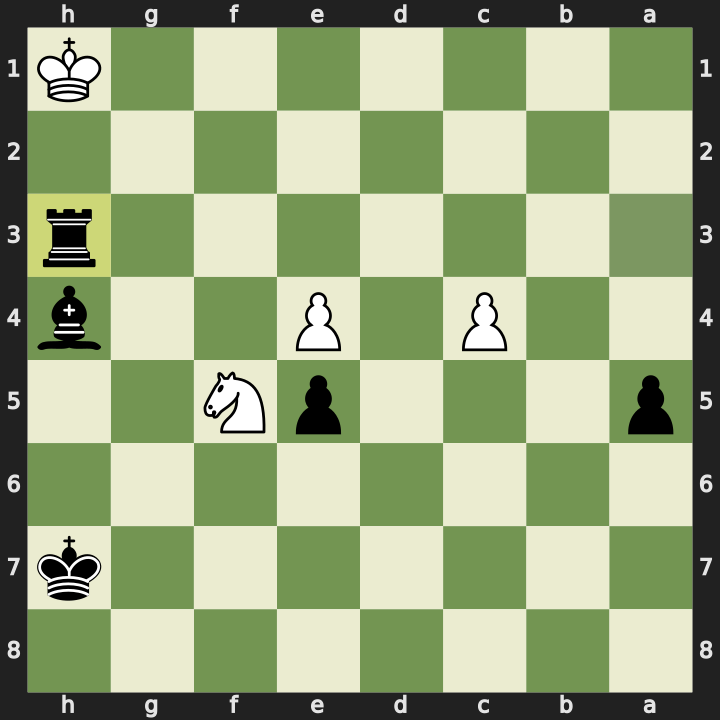
On move 38 I don’t think I played accurately. White attacked my bishop with a knight and rather than move my bishop, I took the pawn on h3 with check. But that allowed the king to come forward and attack my rook, so I had to give up the bishop. If I was going to give up the bishop deliberately, I could’ve done it by moving my rook to a4, collecting two pawns on the c and e-files and making way for my a-pawn to promote.
39. Kg2 Rc3 40. Nxh4 a4 41. Nf3 a3 42. Nxe5 a2 43. c5 a1=Q
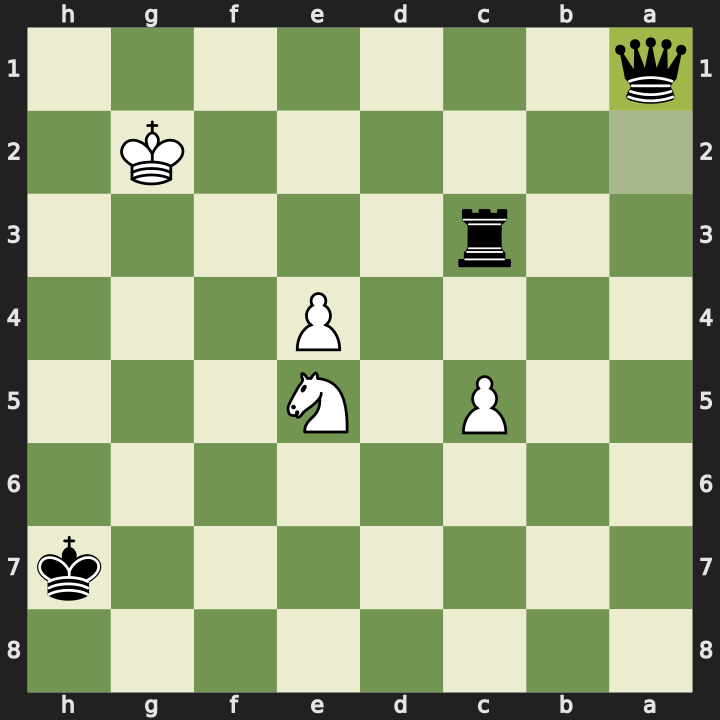
On move 43 I promote to a queen. It’s now rook and queen versus two pawns. Should be pretty straightforward.
Pin and Ladder Mate (Moves 44-55)
44. Nf3 Qa2+ 45. Kg3 Qa3 46. c6 Rxf3+
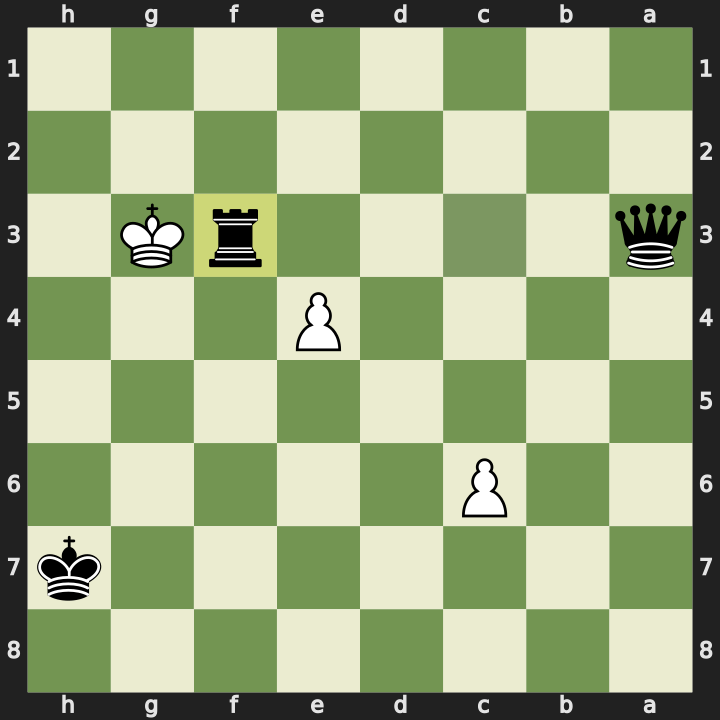
On move 46 I pin White’s knight to the king and collect it with my rook.
47. Kg4 Rc3 48. Kf5 Rxc6 49. e5 Rc5 50. Ke6 Qa5 51. Kf6 Rxe5 52. Kf7 Qa6 53. Kf8 Rb5 54. Ke7 Rb7+ 55. Kd8 Qa8#
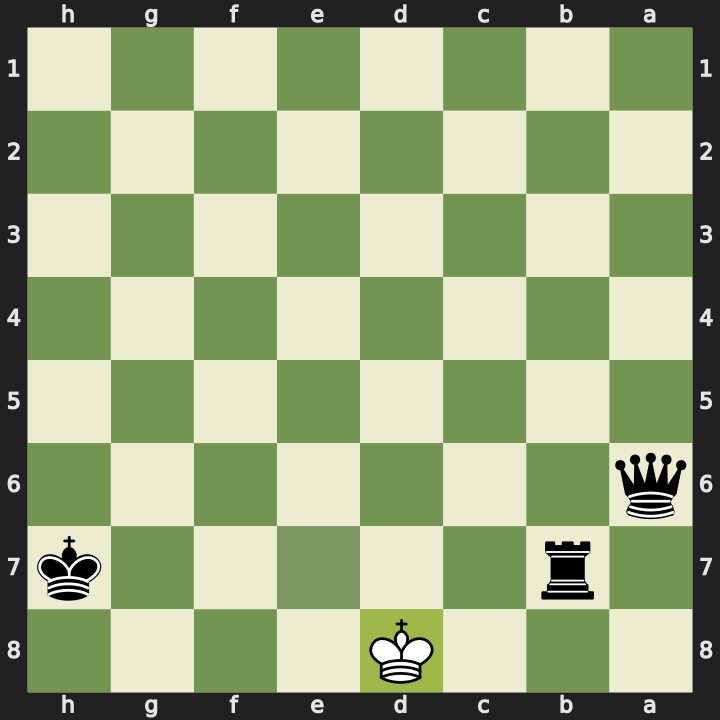
Then it’s a basic ladder checkmate. I could’ve checkmated maybe two moves sooner, but I’m totally happy to use a basic beginner’s ladder mate. Nothing wrong with that.
Engine Review
Pretty happy that the engine gives me 82% accuracy with no blunders. Any game with zero blunders is pretty good for me these days. Also no mistakes.
On move 9, I completely missed an opportunity to take White’s bishop when it comes into g5. It might’ve been a risky move, but the engine scores it as a mistake for White. Worst case, if White takes back with the knight, I’d have to tuck my king behind my bishop on g8 and watch out for a potential queen attack. So maybe it wasn’t too bad that I kept my pawns in place.
Interestingly, the engine likes the Bxe6 trade from White’s side.
14. Bh4 was a blunder for White, and I missed a pretty obvious tactic. I could’ve gone Nxf3+, removing the guard of the bishop, then taken the bishop on the next move with Qxh4.
It’s good to see that according to the engine, even though White is up a pawn on move 16, the evaluation is still showing 1.3 in favour of Black. And 17. Bxg5 is a fatal mistake, because after the trades it’s 4.0 in Black’s favour.
There’s an interesting line after the blunder on move 14 where if White makes pretty natural-looking moves, they lead to a knight and queen checkmate fairly quickly: Nxf3+, gxf3, Qxh4, Nb5, Nf4, Nxc7, Qg5+, Kf1, Qg2 checkmate.
After trading rooks it’s all good moves and fairly predictable action: going for the promotion, cleaning up the pawns, using the pin to remove the knight.
Reflections
What went well:
- A long and enjoyable game with zero blunders. Really happy about that.
- Not worrying about my king safety even though it wasn’t protected by pawns. I’m getting used to the idea of keeping up the pressure on the opponent’s king so that the attention isn’t on my own.
- I suspect White might have been ahead had they not been so eager to trade all those pieces early in the game. Happy I didn’t fall for it.
What to work on:
- The missed Nxf3+ tactic on move 14, removing the guard of the bishop. Need to look for “remove the defender” patterns.
- On move 23, missing the free rook. A free rook is always better than an exchange.
- Move 38 wasn’t accurate. Should’ve considered moving the rook to a4 first to collect pawns and clear the promotion path rather than grabbing a pawn with check.
Full PGN:
1. e4 d6 2. Nf3 Nf6 3. Nc3 g6 4. Bc4 Bg7 5. d3 O-O 6. O-O h6 7. a3 Kh7
8. h3 e5 9. Bg5 Be6 10. Bxe6 fxe6 11. Bh4 Nc6 12. Re1 Nd4 13. Bg3 Nh5 14.
Bh4 g5 15. Nxg5+ hxg5 16. Qxh5+ Bh6 17. Bxg5 Qxg5 18. Qxg5 Bxg5 19. Re3
Bh4 20. Kh2 Rg8 21. g3 Bg5 22. f4 Bh6 23. Rf3 Raf8 24. Raf1 Nxf3+ 25. Rxf3
exf4 26. gxf4 Bxf4+ 27. Kh1 Rg3 28. Rxg3 Bxg3 29. Ne2 Bh4 30. c4 Rf2 31.
Nd4 e5 32. Ne6 Rxb2 33. Nxc7 Ra2 34. Nb5 Rd2 35. Nxd6 Rxd3 36. Nxb7 Rxa3
37. Nd6 a5 38. Nf5 Rxh3+ 39. Kg2 Rc3 40. Nxh4 a4 41. Nf3 a3 42. Nxe5 a2
43. c5 a1=Q 44. Nf3 Qa2+ 45. Kg3 Qa3 46. c6 Rxf3+ 47. Kg4 Rc3 48. Kf5
Rxc6 49. e5 Rc5 50. Ke6 Qa5 51. Kf6 Rxe5 52. Kf7 Qa6 53. Kf8 Rb5 54. Ke7
Rb7+ 55. Kd8 Qa8# 0-1