Win vs Ras_34: Pawn Up Against the Philidor
| Opening: Philidor Defense, 3.d4 | Result: 1-0 (Resignation) | Time Control: 10 min Rapid | Rated |
Game Overview
I went with an e4 opening and Black took us into a Philidor Defense. I traded a knight for a bishop on f3, and by move eight the engine had me up 3.2. We opened up the centre, Black checked my king with the queen on e7, and I blocked the check with my own queen. We castled on opposite sides, I traded rooks on f8 and picked up a pawn on e4. Then some endgame technique to finish: a queenside majority, one passed pawn on the b-file, and a resignation on move 33.
The Opening (Moves 4-8)
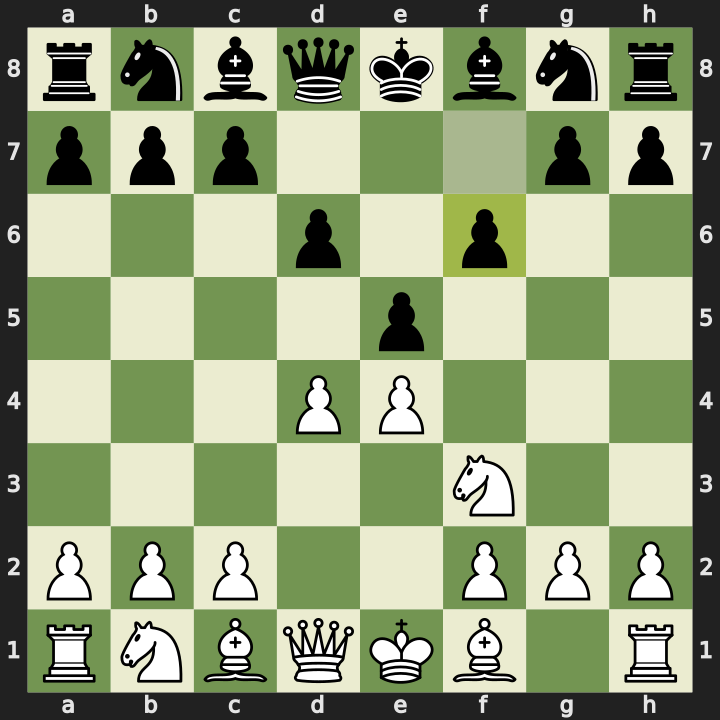
4.d5 Bg4 5.h3 Bxf3 6.Qxf3 c6 7.Bc4 cxd5 8.Bxd5
I haven’t studied the best moves in this situation, but I decided to take space by pushing 4.d5. Black came out with 4…Bg4, I kicked it with 5.h3, and it took on f3. That trade gave me a bishop for a knight.
By move eight the engine had me up 3.2 points in evaluation. Things were looking good.
The Queen Comes Out (Moves 9-11)
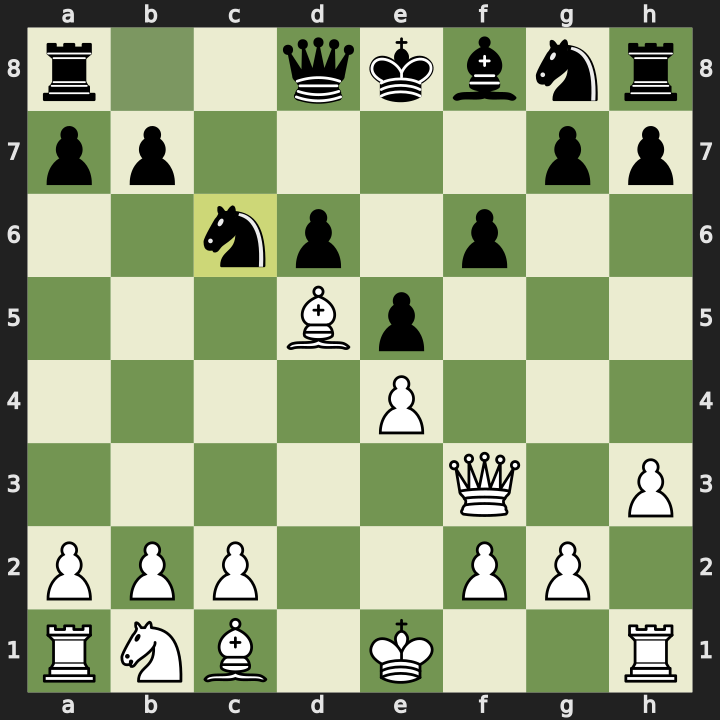
9.Qc3 Nge7 10.Be3 Nxd5 11.exd5
I played 9.Qc3 with a line in mind: Bxc6, bxc6, Qxc6+, giving me a very active queen. Black answered 9…Nge7 and never gave me the chance. The knights came off on d5 instead and I recapture with the e-pawn.
Opening the Centre and Trading Queens (Moves 12-15)
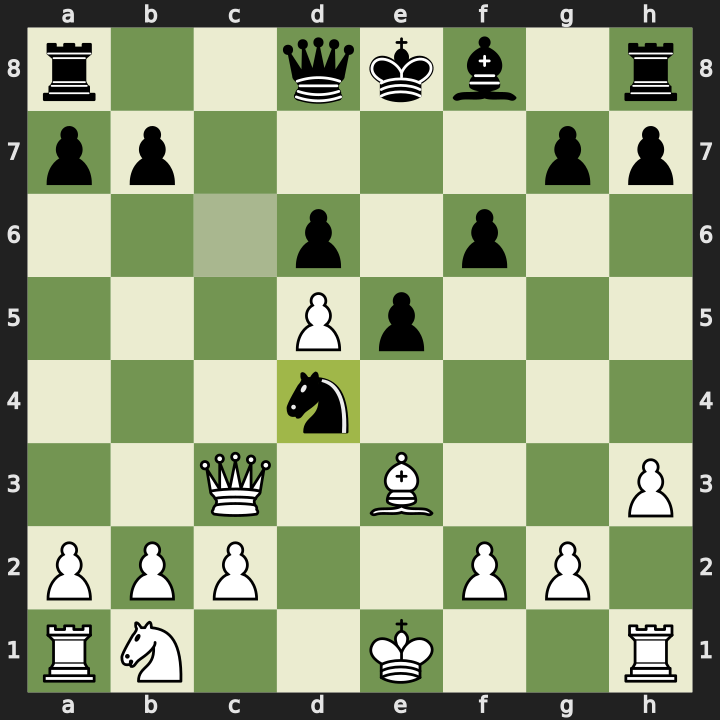
12.Bxd4 exd4 13.Qxd4 Qe7+ 14.Qe3 Qxe3+ 15.fxe3
We opened up the centre and then Black checked my king with the queen on e7. I decided to block the check with my own queen. I’m comfortable playing with the queens off the board, and I was already up a pawn.
Opposite Side Castling (Moves 16-21)
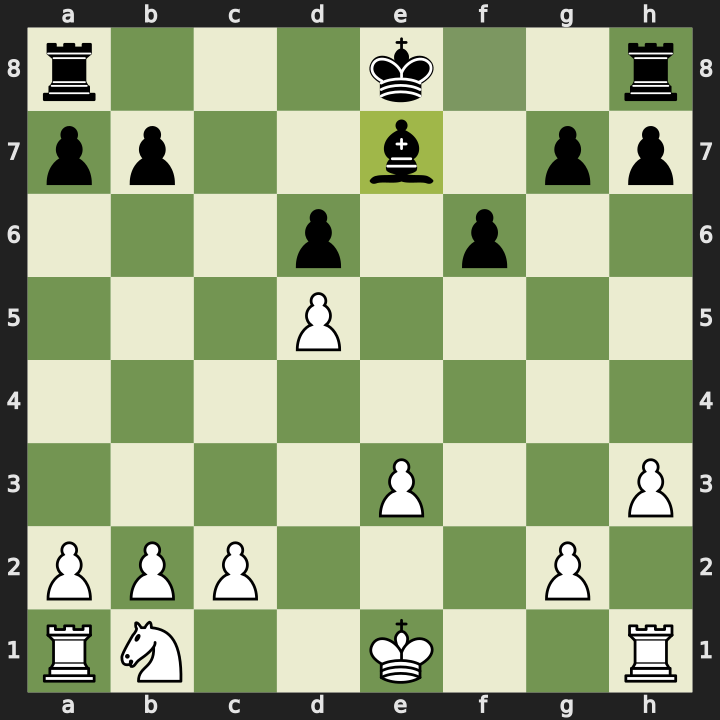
16.e4 O-O 17.Nc3 Rac8 18.O-O-O f5 19.Rhf1 fxe4 20.Rxf8+ Bxf8 21.Nxe4
We went for opposite side castling. Black played 18…f5 to challenge my centre, I lined the rook up on the f-file, and after 19…fxe4 I traded rooks on f8 and then picked up the pawn on e4.
The Queenside Majority (Moves 21-26)
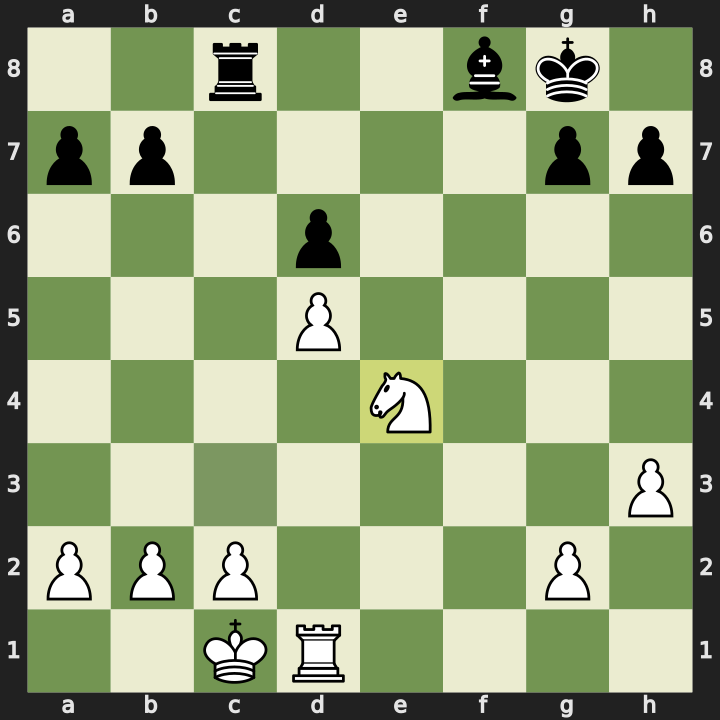
21…a5 22.Rd4 b5 23.b3 Ra8 24.c4 bxc4 25.Rxc4 Be7 26.Rc6
I had four pawns to three on the queenside, a, b, c and d against a, b and d. The kingside was two against two, so I stopped pushing there and played on the side where I had the extra pawn. Then we get 24…bxc4 and I recapture with the rook.
Making the Passed Pawn (Moves 27-28)
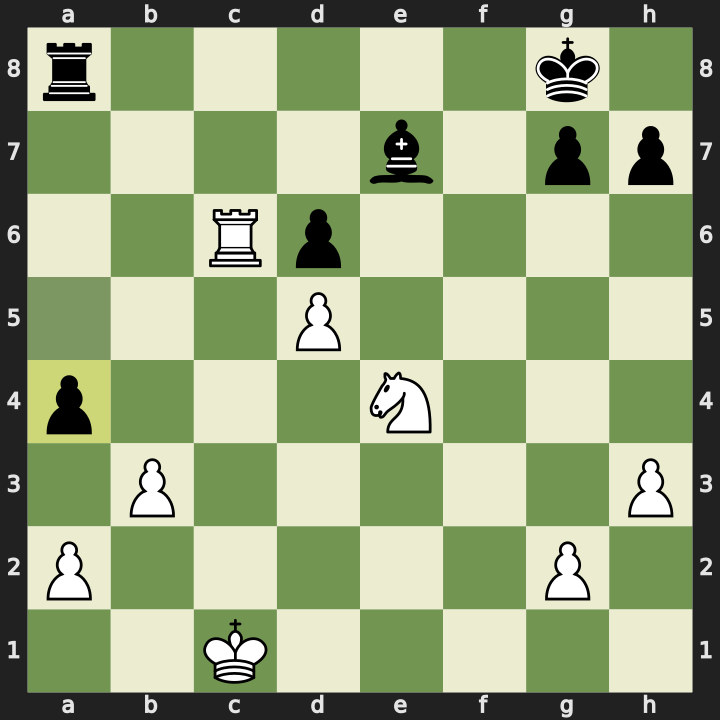
27.b4 a3 28.b5 Ra4
When 26…a4 happened, I pushed past with 27.b4. Now Black has no passed pawns and I have one passed pawn on the b-file.
Black Declines the Trade (Moves 29-30)
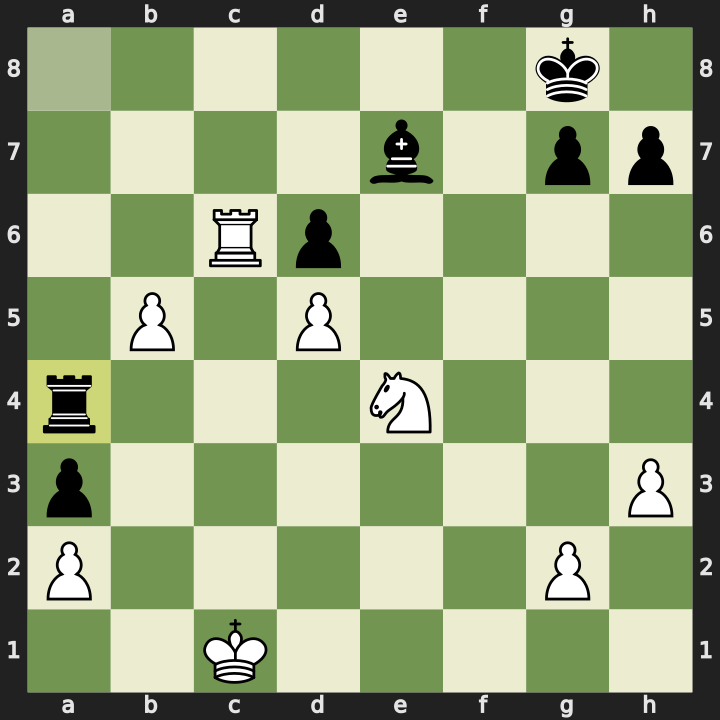
29.Nxd6 Bg5+ 30.Kc2 Ra8
I simplified a bit further by taking on d6, offering my knight for Black’s bishop. Black didn’t accept the exchange and instead just let me keep the pawn.
Promotion (Moves 31-33)
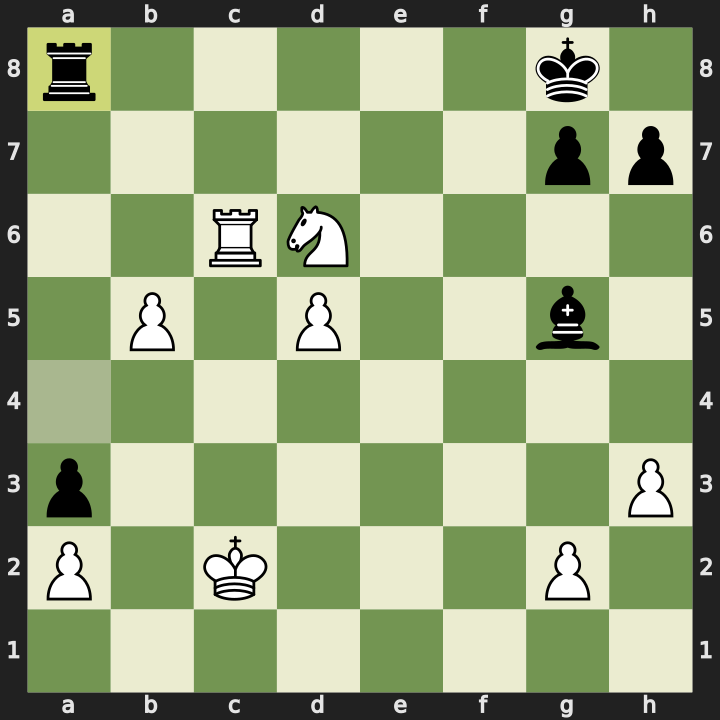
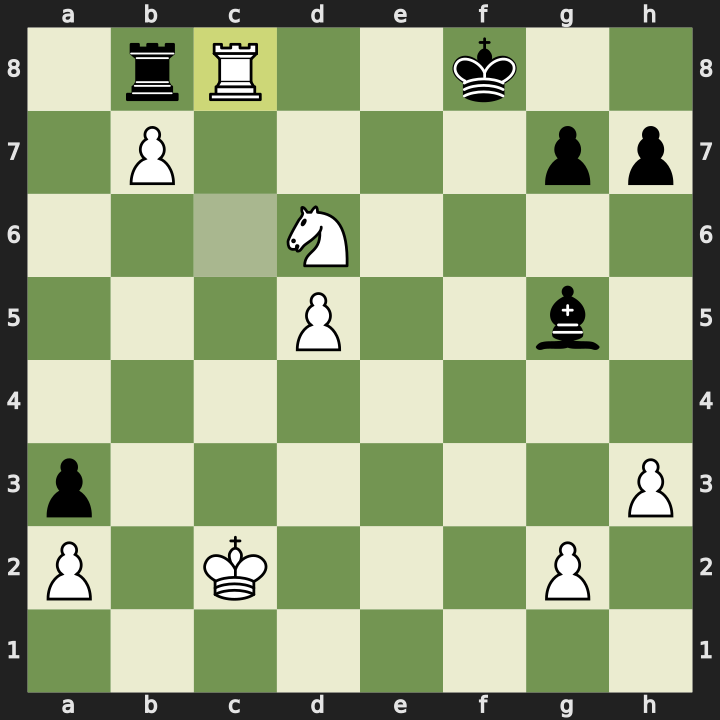
31.b6 Rb8 32.b7 Kf8 33.Rc8+
I continued pushing the b-pawn. Then with the pawn on b7 I checked with the rook on c8. In that position the engine has mate in eight, and Black resigned.
Engine Review
The engine analysis is interesting. Apparently 9.Qc3 was a mistake. It dropped the evaluation from 3.1 to 0.9. I was planning on using that queen for the line Bxc6 bxc6 Qxc6+, giving me a very active queen.
The better move is actually 9.Qb3, which forms a battery with the bishop on d5 and can be used to check the king with the bishop going all the way in on f7, forcing the king to move and preventing castling. Stockfish gives 9.Qb3 Qc7 10.Be3 Nge7 11.Bf7+ Kd8 at 3.3. There’s no material win or fancy tactic in it. I think that’s what the engine is evaluating as better: the king can’t castle and has to sit in the middle.
14.Qe3 also cost about a pawn of evaluation. The engine preferred 14.Kd1, keeping the queens on. I was happy to trade.
After 33.Rc8+ it’s mate in eight. The longest defence is 33…Bd8 34.Rxb8 Ke7 35.Rxd8 Kxd8 36.b8=Q+, and the queen and knight run the king down from there.
Reflections
What went well:
- The opening. I’m pretty suspicious of the Philidor. I feel like it’s one of the more passive openings for Black, and that makes it hard to play well.
- Being solid after the queen trade. No blunders once the position simplified.
- Using the single pawn advantage to promote and win the game. Sometimes that’s all it takes: not blundering and being up a pawn.
What to work on:
- Queen placement in the opening. 9.Qc3 had a plan behind it, but 9.Qb3 does more with the same tempo. It builds the battery with the bishop and takes castling away from Black.
Full PGN:
1. e4 e5 2. Nf3 d6 3. d4 f6 4. d5 Bg4 5. h3 Bxf3 6. Qxf3 c6 7. Bc4 cxd5 8. Bxd5
Nc6 9. Qc3 Nge7 10. Be3 Nxd5 11. exd5 Nd4 12. Bxd4 exd4 13. Qxd4 Qe7+ 14. Qe3
Qxe3+ 15. fxe3 Be7 16. e4 O-O 17. Nc3 Rac8 18. O-O-O f5 19. Rhf1 fxe4 20. Rxf8+
Bxf8 21. Nxe4 a5 22. Rd4 b5 23. b3 Ra8 24. c4 bxc4 25. Rxc4 Be7 26. Rc6 a4 27.
b4 a3 28. b5 Ra4 29. Nxd6 Bg5+ 30. Kc2 Ra8 31. b6 Rb8 32. b7 Kf8 33. Rc8+ 1-0