Win vs milvia2: A New Sicilian at 98% Accuracy
| Opening: Sicilian Defense: Bowdler Attack (B23) | Result: 0-1 (Checkmate) | Time Control: 5 min Blitz | Rated |
Catching Up
It’s been a little while since I’ve posted to the blog, and there’s been lots of exciting chess happening. I managed to hit my rating goal of 1000 in rapid, and I’ve been working on bringing up my blitz rating, which is currently around 750.
I’ve also switched up my opening repertoire. As White I’m now primarily playing the Scotch. As Black I’m playing a mix of the King’s Indian and the Sicilian.
Today I was able to play two really great games: one where I played the Four Knights Sicilian, and one against the related Taimanov Sicilian. This post covers the first of them.
Game Overview
Technically this wasn’t actually the Four Knights, because White never brought the fourth knight out in the early stage of the opening. Chess.com recognises it as the Sicilian Defense: Bowdler Attack, which is arguably dubious for White.
I got my knights out, hit White’s bishop with d5, and after some exchanges the e-file was open. White left a bishop loose on b5 and I picked it up with a queen check. From there a tactic around my bishop on e7 won a rook, a deflection idea forced the queens off, and I finished with two rooks and a bishop against the king.
Not Quite the Four Knights (Moves 1-5)
1.e4 c5 2.Nc3 e6 3.Bc4
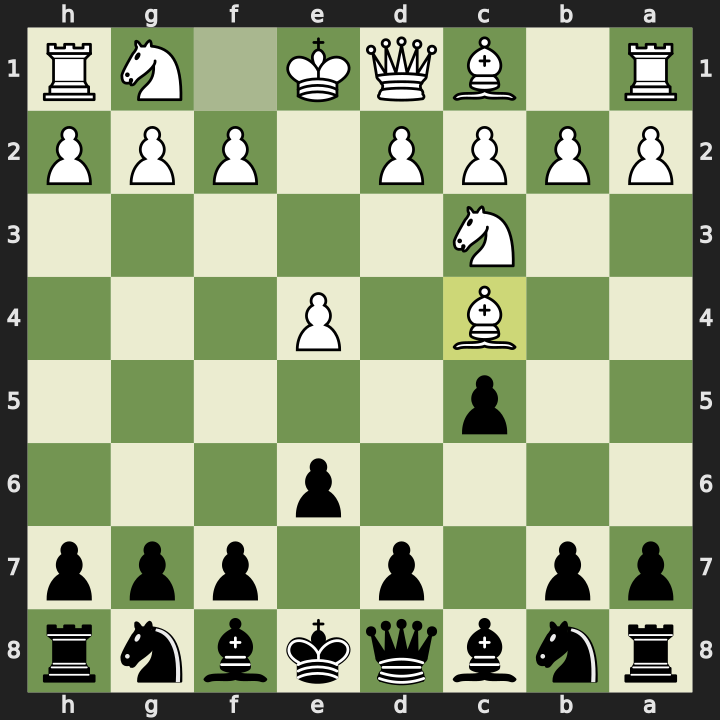
The chess.com opening explorer shows Black scoring 60% or more against every common reply here:
| Black's move | Games | White wins | Draws | Black wins |
|---|---|---|---|---|
| 3...a6 | 185 | 19% | 14% | 68% |
| 3...Nc6 | 165 | 28% | 12% | 60% |
| 3...Nf6 | 16 | 25% | 13% | 63% |
| 3...Ne7 | 12 | 17% | 17% | 67% |
3…Nf6 4.a3 Nc6 5.d3
By move five I had both my knights out.
Hitting the Bishop (Moves 5-8)
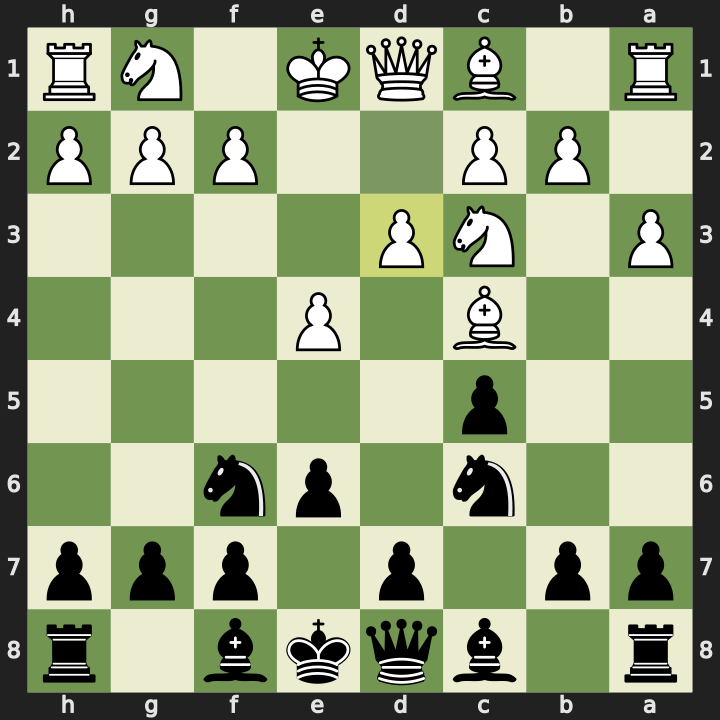
5…d5 6.exd5 Nxd5 7.Nxd5 exd5 8.Qe2+
I played for 5…d5, attacking White’s bishop on c4. After some exchanges I was left with two pawns on the c and d files, and the e-file had opened up. White played the somewhat intuitive but inaccurate move 8.Qe2+.
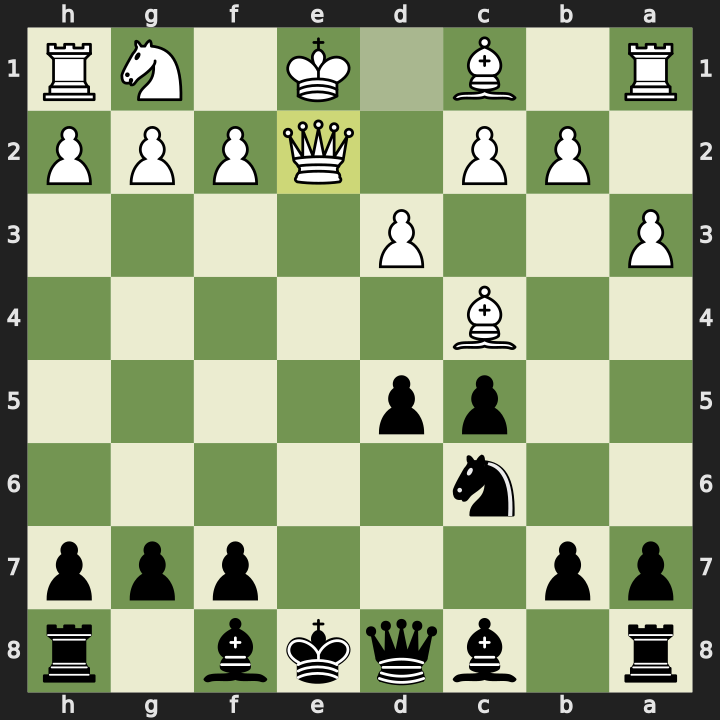
8…Be7
I just blocked with the bishop, getting ready to castle kingside.
The Free Bishop (Moves 9-10)
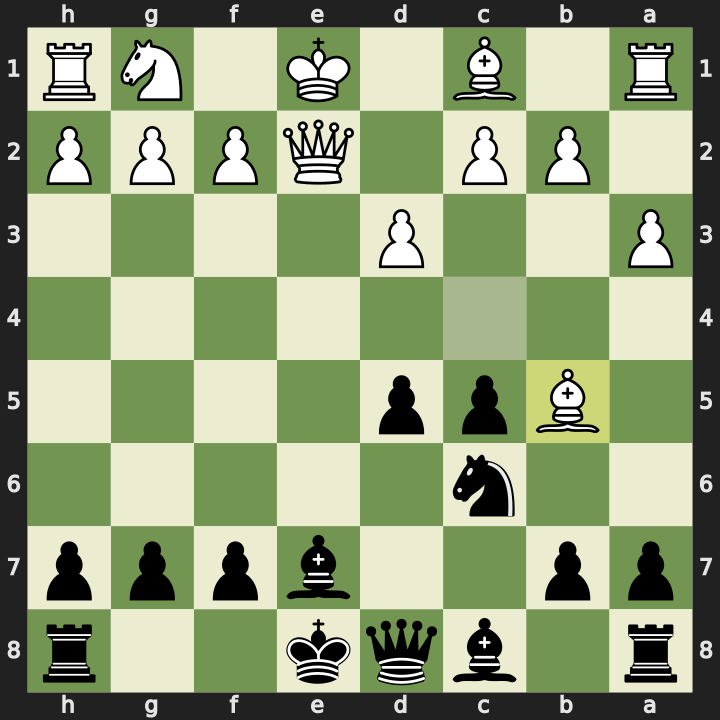
9…Qa5+ 10.Bd2 Qxb5
9.Bb5 was a serious mistake. I’d just been studying these traps, and this is a simple one: queen check on a5, then capture the free bishop. Chess.com marked 9…Qa5+ as a great move.
The Best Defence Is Offence (Moves 11-12)
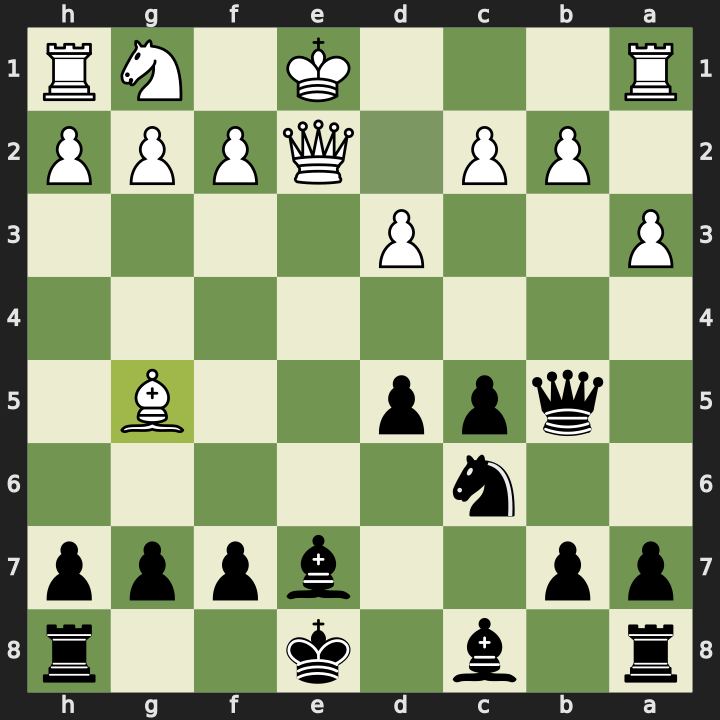
11…Qxb2 12.Rc1 O-O
White then went for a bit of a checkmate threat with 11.Bg5. My knight on c6 was guarding the important e7 square, and White was pressuring it with their bishop and queen. But I noticed that the strongest defence was going to be offence in this case. I took the pawn on b2, attacking the a1 rook and threatening check. White slid the rook over to c1, where it’s protected by the bishop, and I castled.
The Tactic on e7 (Moves 13-15)
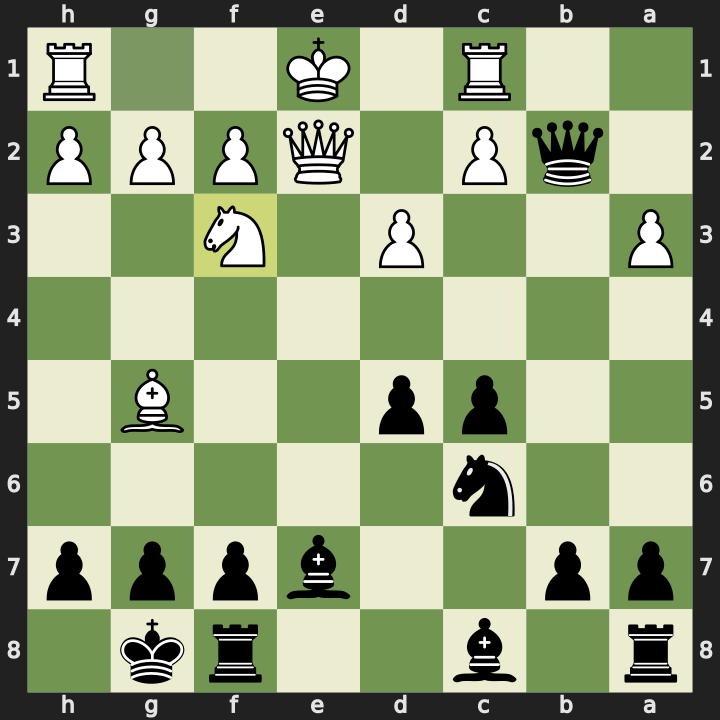
At first it looks like White has two attackers against my bishop on e7. But there’s a tactic: if Bxe7, then Qxc1+ wins the rook and forces a queen trade. So White instead played 13.Nf3, preparing to castle and reinforcing the bishop.
13…Bxg5 14.Nxg5 Qxc1+ 15.Qd1
However, I still had the tactic. I took the bishop that was defending the rook. White recaptured my bishop, and then the queen took the rook with check, also threatening the knight on g5. White blocked with the queen.
Deflecting the King (Moves 15-18)
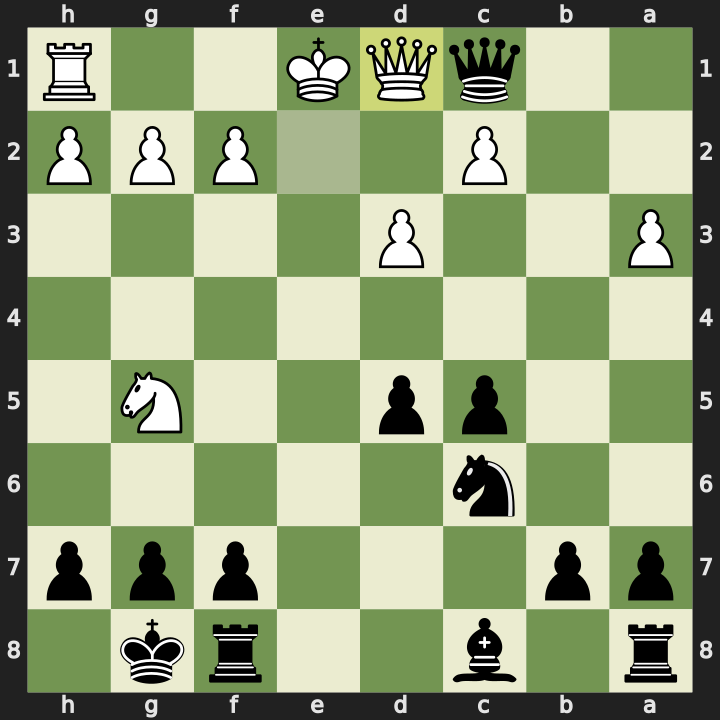
15…Re8+ 16.Ne4
I looked for an opportunity to deflect the king from the queen and pick up the queen for free, so I played 15…Re8+. White played the best move, which was to block with the knight rather than move the king.
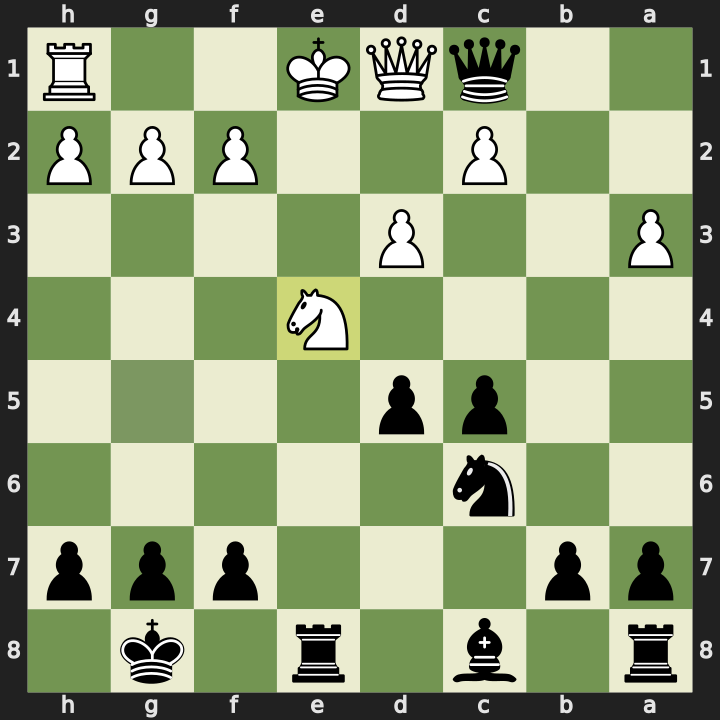
16…Qxd1+ 17.Kxd1 dxe4 18.dxe4 Rxe4
So I went for the queen trade, then picked up the knight for free with a pawn. I now had an overwhelming material advantage.
The Skewer (Moves 19-24)
19.f3 Re3 20.Kd2 Rxa3 21.Re1 Be6 22.f4
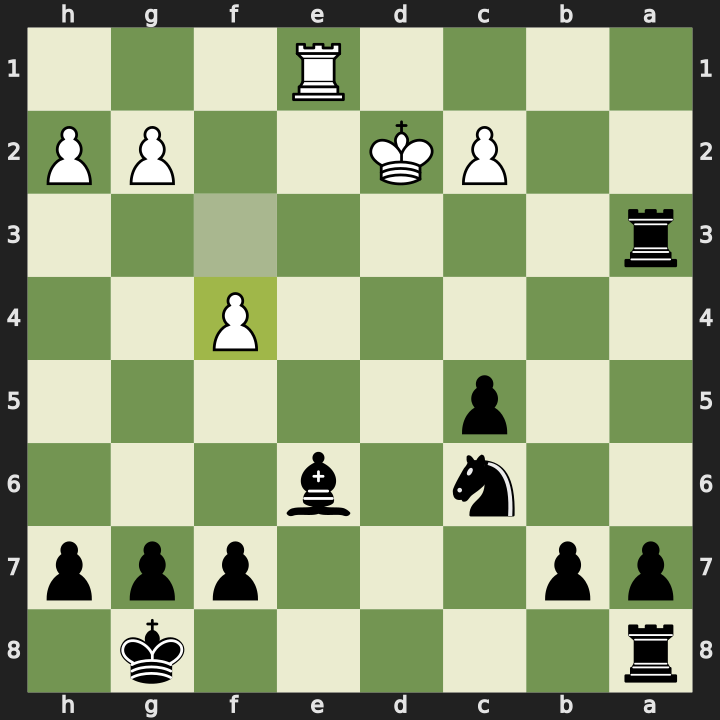
22…Rd8+ 23.Kc1 Ra1+ 24.Kb2 Rxe1
I drove the king back to the first rank with 22…Rd8+, then won the rook with a skewer: 23…Ra1+ checked the king along the first rank with the rook on e1 behind it.
Rooks on the Second Rank (Moves 25-28)
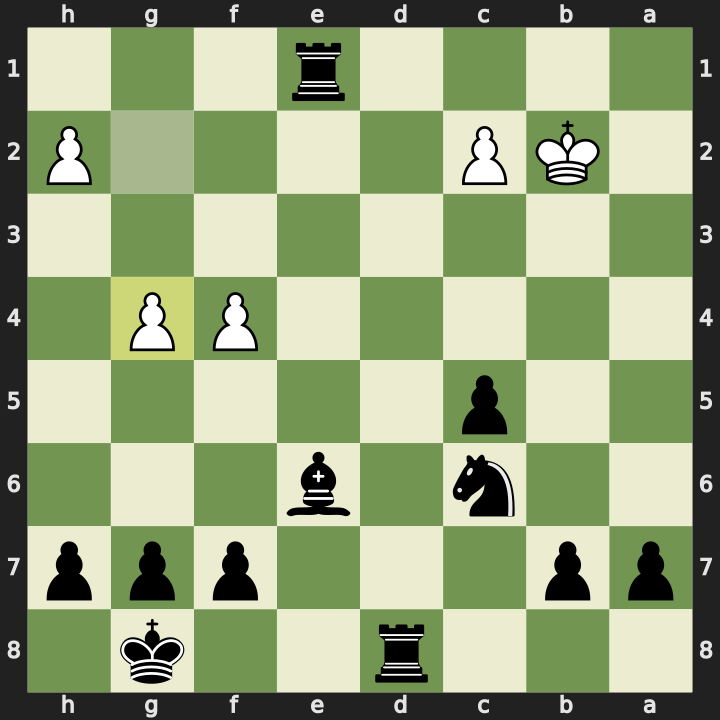
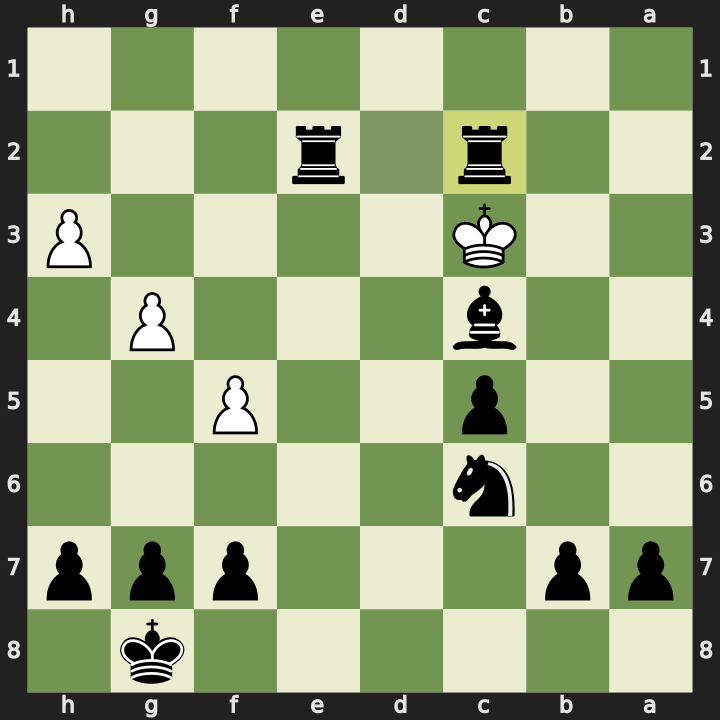
25…Re2 26.f5 Bc4 27.h3 Rdd2 28.Kc3 Rxc2#
I put both my rooks on the second rank, and with the rooks and bishop, checkmated the king.
Reflections
This was a fantastic game to try out this new opening against a real opponent. It felt very intuitive and logical. I didn’t feel like I needed to memorise long lines or special edge cases. Just think logically, look for tactics, and win.
Chess.com rates this game at 98.2% accuracy, with no blunders, misses, mistakes or inaccuracies, and not even any merely good moves. Every move was excellent, best, book or great, which I’m very happy about for a game that went 28 moves. There’s no need for an engine analysis section in this post, because every move was essentially a winning, strong move.
What went well:
- Spotting the queen check on a5 that picked up the loose bishop, straight after studying these traps.
- Answering the pressure on e7 with 11…Qxb2, going on offence instead of defending.
- Keeping the tactic on e7 in mind after White reinforced the bishop with 13.Nf3.
- Converting cleanly with a skewer and a mate using both rooks and the bishop.
What to work on:
- Keep looking out for tactics like queen checks on the a- and h-files. They’re the way to get into an early winning position, like I did in this game.
Full PGN:
1. e4 c5 2. Nc3 e6 3. Bc4 Nf6 4. a3 Nc6 5. d3 d5 6. exd5 Nxd5 7. Nxd5 exd5 8.
Qe2+ Be7 9. Bb5 Qa5+ 10. Bd2 Qxb5 11. Bg5 Qxb2 12. Rc1 O-O 13. Nf3 Bxg5 14.
Nxg5 Qxc1+ 15. Qd1 Re8+ 16. Ne4 Qxd1+ 17. Kxd1 dxe4 18. dxe4 Rxe4 19. f3 Re3 20.
Kd2 Rxa3 21. Re1 Be6 22. f4 Rd8+ 23. Kc1 Ra1+ 24. Kb2 Rxe1 25. g4 Re2 26. f5 Bc4
27. h3 Rdd2 28. Kc3 Rxc2# 0-1