Win vs prii_16: Keep Attacking in the Taimanov
| Opening: Sicilian Defense: Taimanov Variation (B44) | Result: 1-0 (Resignation) | Time Control: 5 min Blitz | Rated |
Game Overview
The second great game of the day. I was playing as White and started with my normal Scotch-style moves. Against the Sicilian I like to go for the Open Sicilian: play the early d4, recapture with the knight, and try to control the centre as much as possible.
I’d been studying both the Taimanov and the Four Knights Sicilian. They have a similar start, with c5, e6, Nf6 and Nc6 in different move orders and with different middlegame plans, but they share a common starting position. I remembered that the trickiest line for Black is when White captures the knight on c6, so that’s what I went for. From there Black ran into my bishop on the b-file, I kept attacking, and it finished with a queen sacrifice on f8.
Taking on c6 (Moves 1-8)
1.e4 c5 2.Nf3 Nc6 3.d4 cxd4 4.Nxd4 e6 5.Nc3 a6
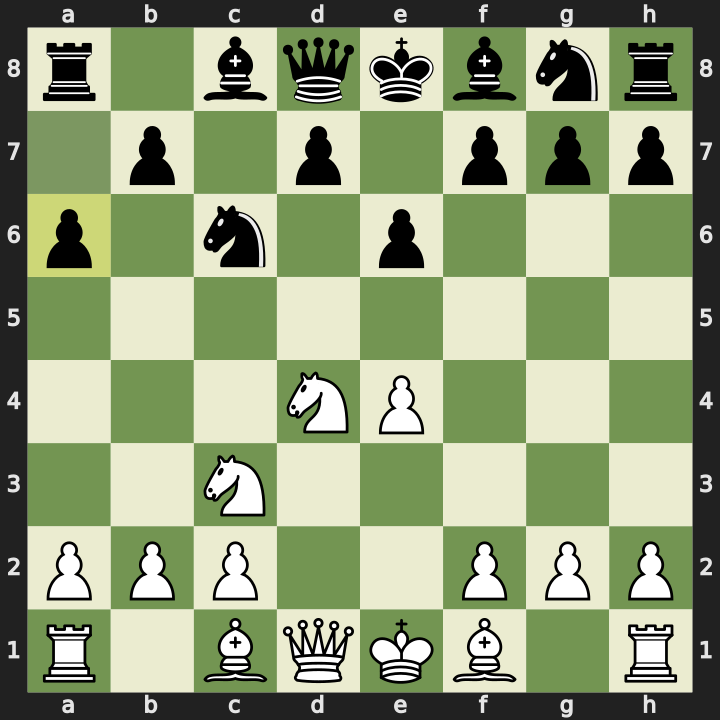
6.Nxc6 bxc6 7.Bf4 Bb7 8.Be2 Bb4
6.Nxc6 was the move I’d remembered from my study. I then knew that Black wants to put their queen on c7 and their bishop on b7, so I decided to try and control that dark-squared diagonal with 7.Bf4. Black developed their light-squared bishop, and I prepared to castle with 8.Be2.
The Pin That Achieved Nothing (Moves 9-10)
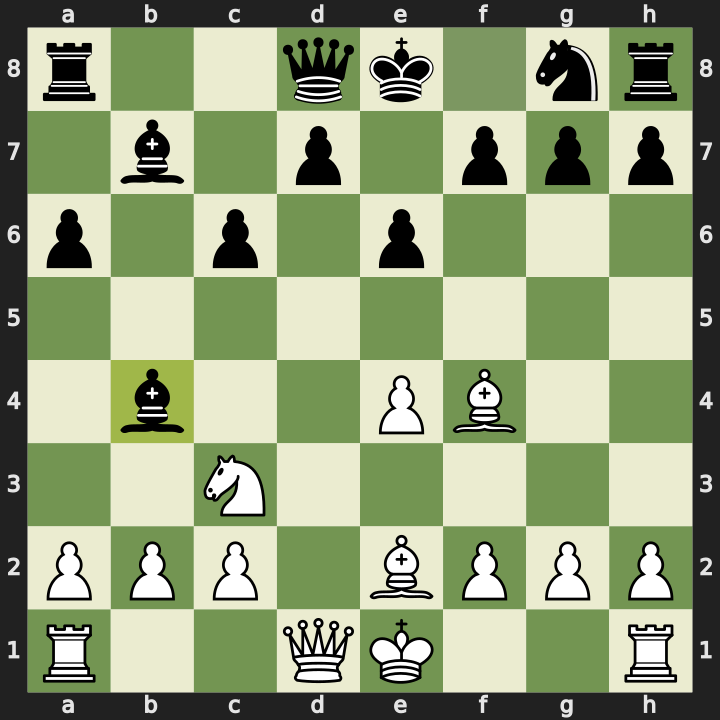
9.O-O Bxc3 10.bxc3 Ne7
Black then played what the engine considers a mistake, attempting to pin my knight. I was about to castle anyway, so the pin would achieve nothing. Worse still, it invited me to play Qd4, defending the knight and threatening to take on g7, winning a rook.
I simply castled, which wasn’t the best move, but it got my king to safety. With no pin in place, Black decided to take the knight anyway, doubling my pawns on the c-file and opening up the b-file. I knew this would be bad for Black, because Black wants to put their rook on the b-file, but they won’t be able to if I get there first.
The Bishop on f4 (Moves 11-12)
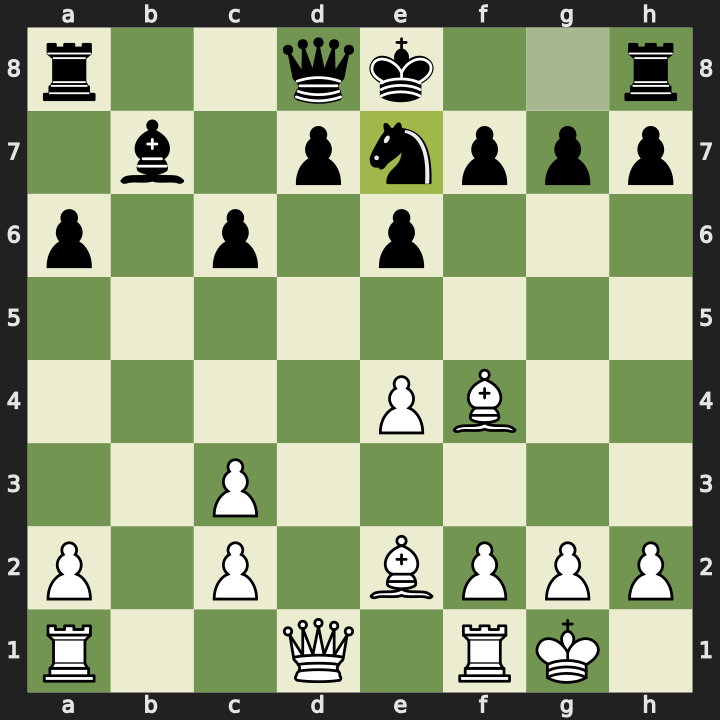
11.Rb1 Rb8
I played 11.Rb1, and Black still tried to play 11…Rb8, forgetting that my bishop had been parked on f4, guarding the square.
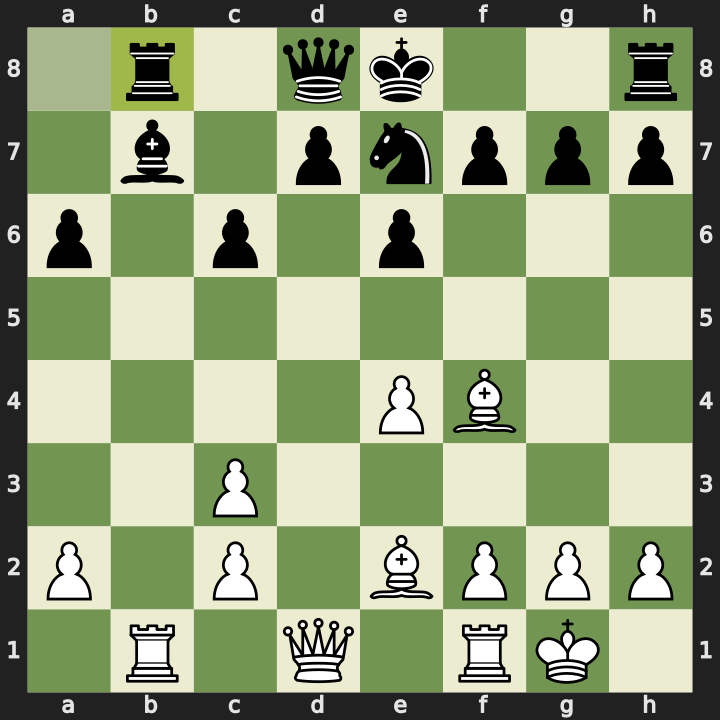
12.Bxb8 Qxb8
I immediately snapped up the rook, and the queen recaptured.
The Pinned Bishop (Moves 13-14)
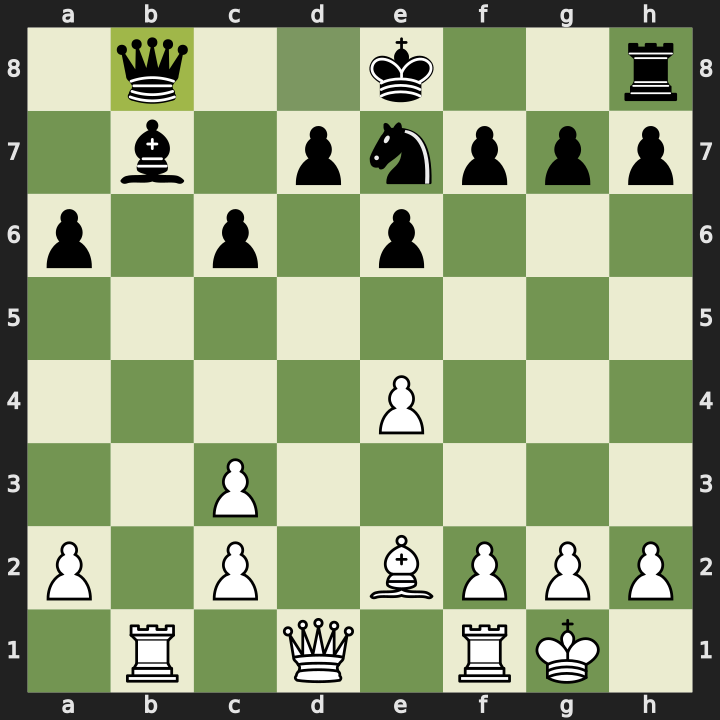
13.Bxa6 O-O
The bishop on b7 was now pinned to the queen, and I could grab the pawn on a6, threatening to win the bishop. Black castled, trying to get the king to safety and offer some support with the rook.
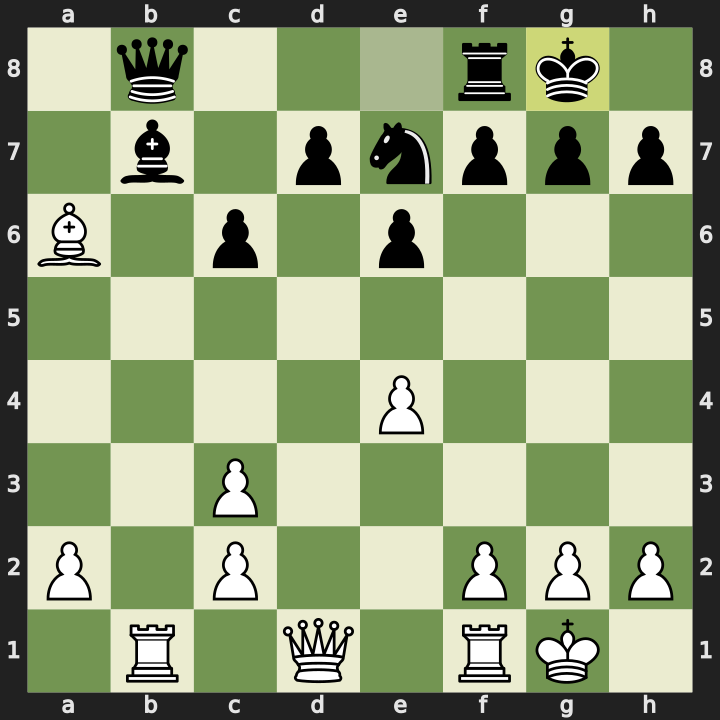
14.Rxb7 Qa8
I went in with the rook, taking the bishop and threatening the queen. The queen stepped aside, threatening my bishop on a6.
Keep Attacking (Moves 15-16)
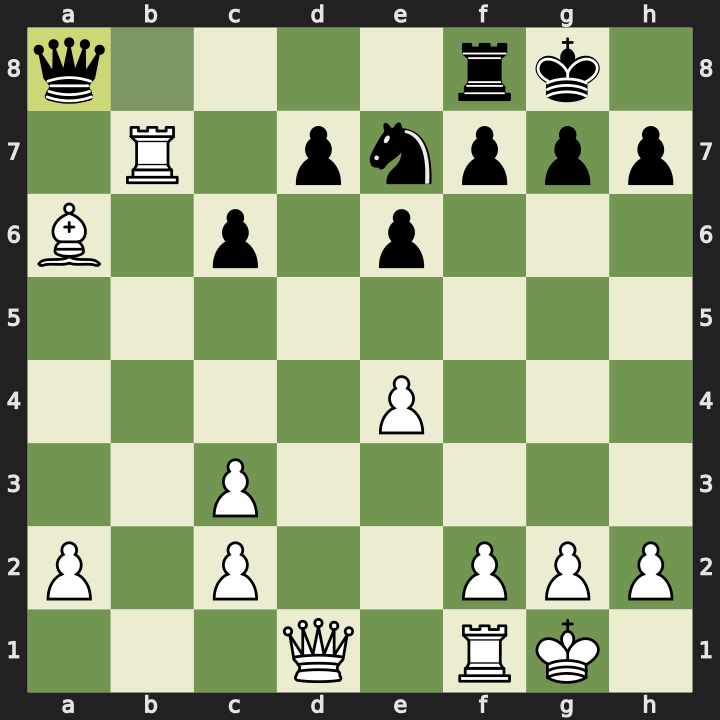
15.Qxd7 Qxa6 16.Qxe7
One thing I’ve been practising lately is that in Sicilian positions, the key is to keep attacking. If you allow yourself to get into a passive position, the more active player will win. Here I saw a great opportunity for an attacking move. 15.Qxd7 threatened the knight on e7 and kept the rook defended. It allowed Black to capture the bishop on a6, which was no longer needed. We exchanged the bishop for the knight.
The Queen Sacrifice (Moves 17-18)
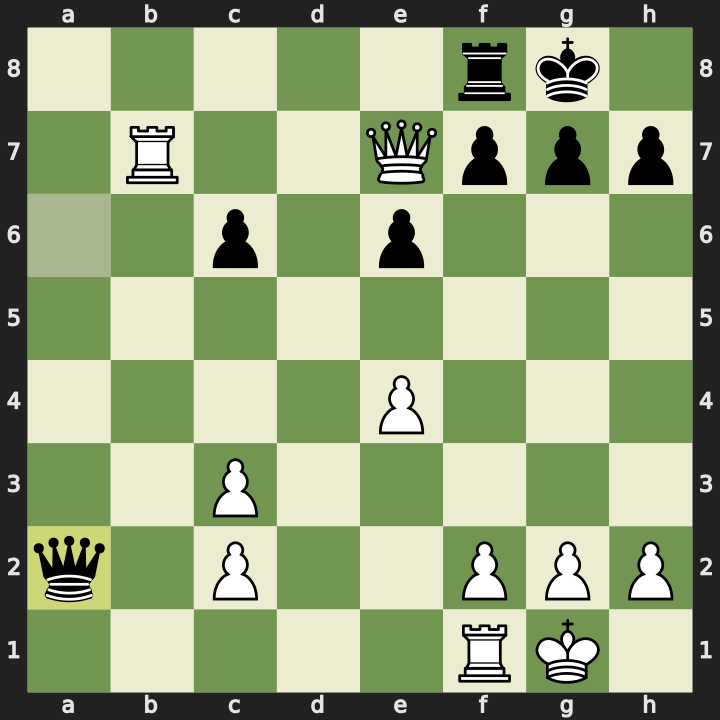
17.Rd1 Qxc2
Now I had two major pieces on the seventh rank. I needed to bring in my other rook to finish the job and get the checkmate, so I played 17.Rd1 to the open file. Black needed to defend the back rank, but instead went for their own attack. It was too slow.
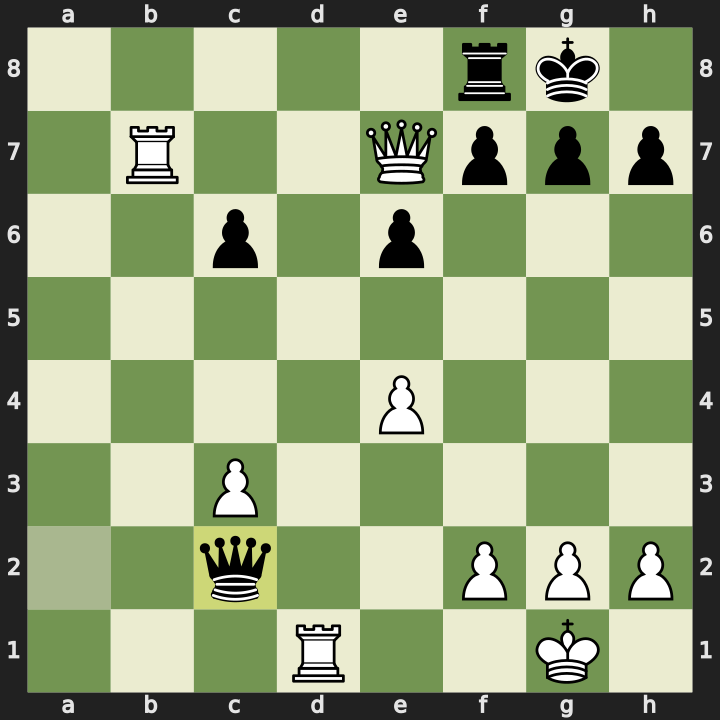
18.Qxf8+
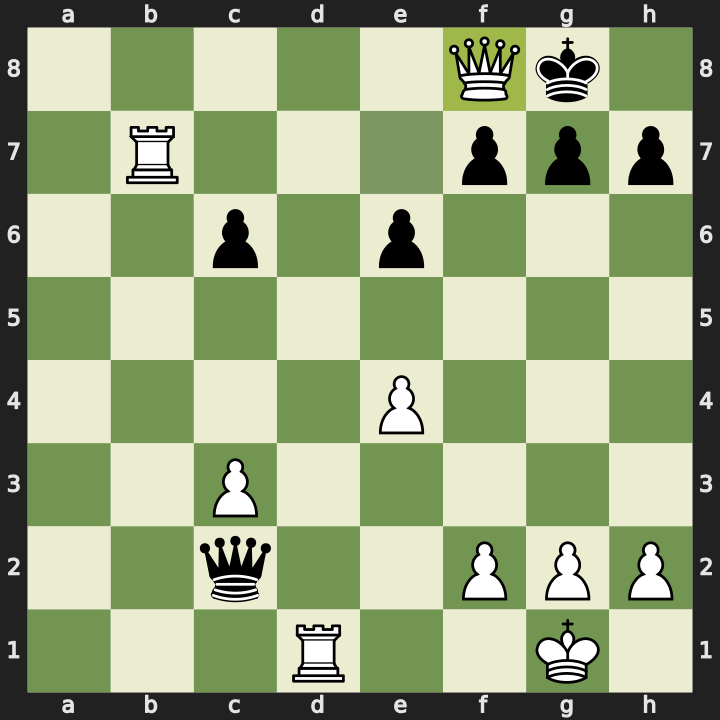
I sacrificed the queen with 18.Qxf8+, and chess.com gives it the brilliant move. In that position my opponent resigned, because after 18…Kxf8 it’s checkmate in one with 19.Rd8#.
Engine Review
The engine analysis for this game is also highly accurate: 93.1% accuracy. There was one inaccurate move, which was the castling. The remaining moves were good, excellent or best, with one brilliant.
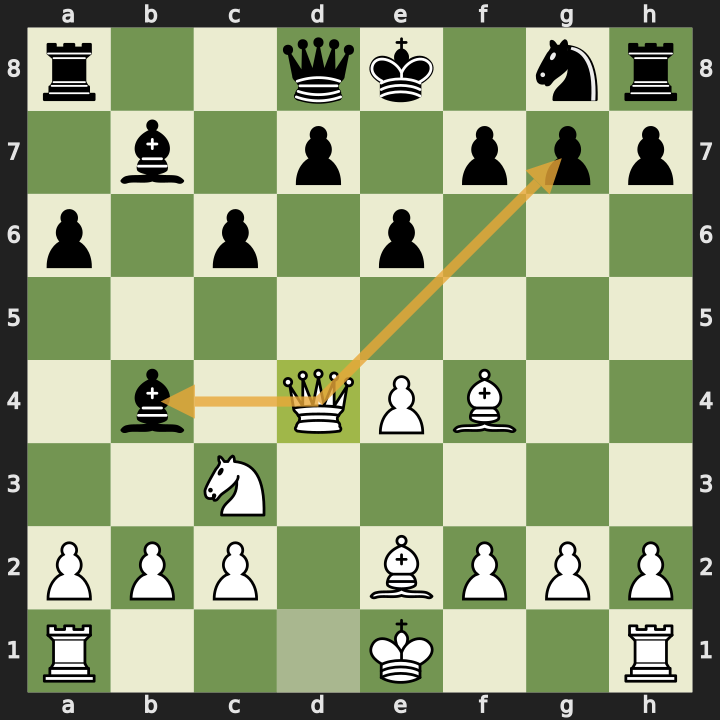
Stockfish’s first choice at move 9 is 9.Qd4, at +2.7 for White. That’s the move I mentioned above: it defends the knight on c3 and forks the bishop on b4 and the pawn on g7, threatening to win the rook on h8.
Black’s last mistake was 17…Qxc2. Chess.com suggests 17…Qa8 instead, keeping the queen near the back rank.
Reflections
I’m really happy with how this game went. I would play it exactly the same in future, and I hope to continue learning a bit more about playing the Sicilian from both sides.
So far I’ve been playing the Sicilian intuitively, fighting for the centre and being active. Most of my opponents play some sort of Dragon variation, which I’m generally fairly comfortable attacking with the typical bishop and queen battery to dislodge the fianchettoed bishop, and pushing the h-pawn to h4. But this time, playing against a Taimanov, those attacking ideas wouldn’t have worked. So I’m very glad to have been studying a bit recently.
What went well:
- Remembering from my study that 6.Nxc6 is the trickiest line for Black.
- Putting the bishop on f4 to control the dark-squared diagonal, which later won a rook on b8.
- Getting to the b-file first with 11.Rb1.
- Staying active with 15.Qxd7 instead of defending the bishop on a6.
- Spotting the queen sacrifice on f8.
What to work on:
- Punishing the pin straight away. 9.Qd4 defends the knight and forks the bishop on b4 and the pawn on g7, threatening to win the rook on h8.
- Keep learning the Sicilian from both sides.
Full PGN:
1. e4 c5 2. Nf3 Nc6 3. d4 cxd4 4. Nxd4 e6 5. Nc3 a6 6. Nxc6 bxc6 7. Bf4 Bb7 8.
Be2 Bb4 9. O-O Bxc3 10. bxc3 Ne7 11. Rb1 Rb8 12. Bxb8 Qxb8 13. Bxa6 O-O 14. Rxb7
Qa8 15. Qxd7 Qxa6 16. Qxe7 Qxa2 17. Rd1 Qxc2 18. Qxf8+ 1-0